
The Rockies Park Everyone Skips: Exploring Peter Lougheed Provincial Park by RV
An RV stay in Peter Lougheed Provincial Park reveals why Kananaskis Country offers a calmer, more flexible alternative to Banff in the Canadian Rockies.
TRAVEL GUIDES
Anna Sharp
1/26/20264 min read
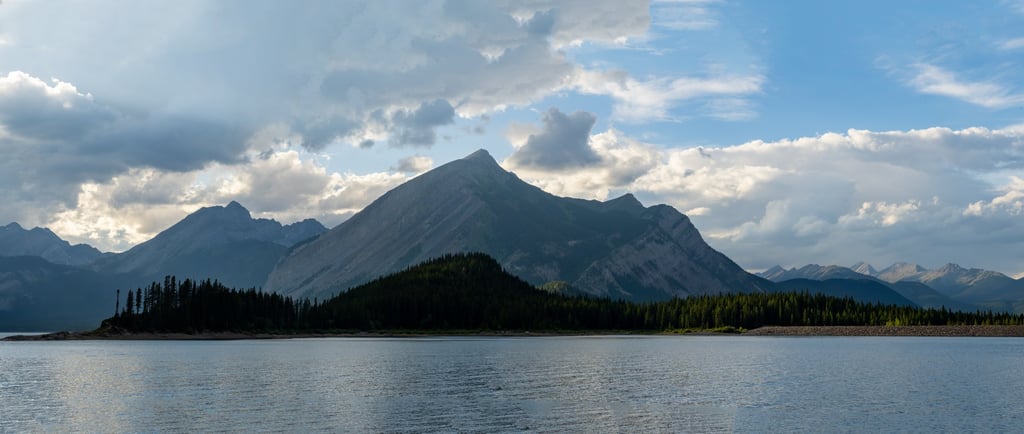
When people plan a trip to the Canadian Rockies, most itineraries revolve around the same familiar names: Banff, Lake Louise, Jasper. And while those places are incredible, focusing only on national parks can mean missing out on some of the most livable, flexible, and rewarding areas in the region.
Peter Lougheed Provincial Park is one of those places.
Located just south of Banff National Park within Kananaskis Country, Peter Lougheed offers the same dramatic mountain scenery — but with fewer crowds, better access, and a pace that works especially well for RV travelers.
During our stay, we dry camped at Lower Lake Campground, biked between trailheads, paddled and relaxed at Upper Kananaskis Lake, and explored some of the park’s most approachable hikes. Along the way, we were reminded why this park feels so different — and why it deserves a spot on more Rockies itineraries.
Why Peter Lougheed Feels Different from Banff
One of the reasons Peter Lougheed feels so distinct isn’t accidental — it’s historical.
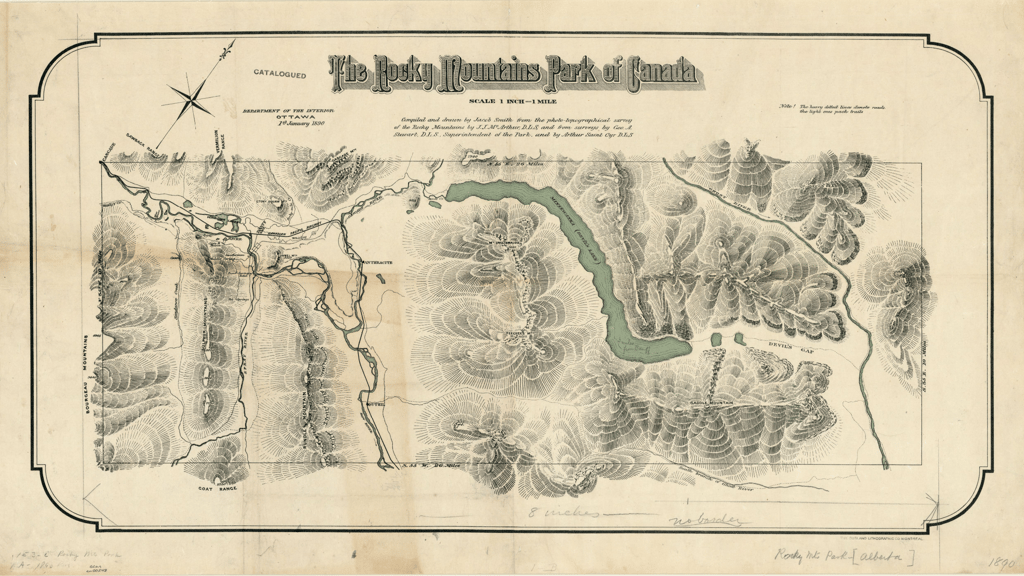
When Canada created its first national park in 1887, it was called Rocky Mountains Park, and it covered a massive stretch of the Rockies. That original boundary included what we now know as Banff and the entire Kananaskis region.
Over time, the national park system evolved. Boundaries tightened, conservation mandates became stricter, and areas that didn’t fit the new definition of a national park were removed and shifted to provincial control. That decision eventually led to the creation of Kananaskis Country — a provincially managed mountain region designed to balance conservation, recreation, and access.
Peter Lougheed Provincial Park is one of the best examples of that philosophy.
Instead of funneling visitors toward a handful of iconic stops, the park is designed to be explored: interconnected trails, well-spaced campgrounds, and plenty of room to slow down and stay awhile.
RV Life at Lower Lake Campground
We stayed at Lower Lake Campground, one of the most popular RV campgrounds in the park — and for good reason.
The campground offers:
Easy access to both Upper and Lower Kananaskis Lakes
Direct connections to paved bike trails
Well-spaced sites compared to many Banff-area campgrounds
That said, RV travelers should know a few things going in:
Some site approaches are tight, especially for longer rigs
Tree cover can limit solar production
Starlink and cellular service can be spotty in heavily forested areas
Even with those challenges, Lower Lake works extremely well for longer stays, especially if you’re comfortable dry camping or running a generator when needed.
Biking & Exploring Without Moving the Rig
One of Peter Lougheed’s biggest advantages — especially for RV travelers — is its paved multi-use trail network.
From Lower Lake Campground, we were able to:
Bike directly to Upper Kananaskis Lake
Ride to trailheads and day-use areas
Reach the visitor center without ever getting on the highway
In the Rockies, that kind of infrastructure is rare. It reduces driving, spreads visitors out, and makes exploring feel relaxed instead of rushed.
Upper Kananaskis Lake & Turret Falls
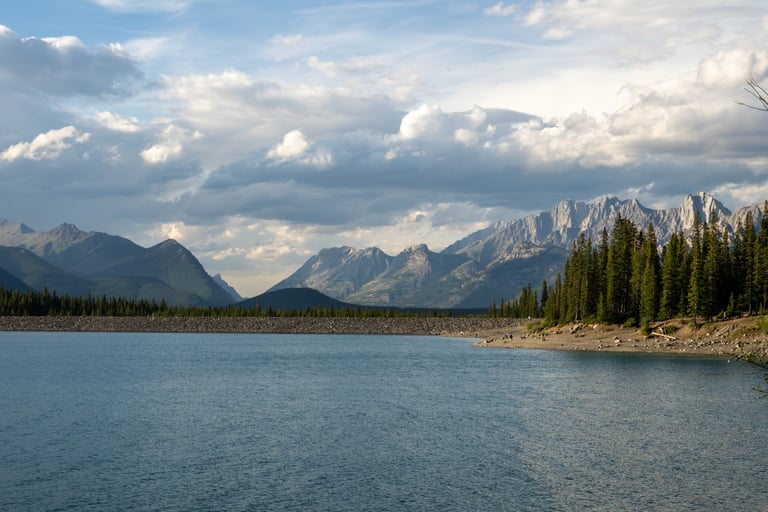
Upper Kananaskis Lake sits at the heart of the park and is one of those places that works for almost everyone.
On warm days, it’s ideal for:
Paddleboarding and kayaking
Hanging out along the shoreline
Easy walks with big mountain views
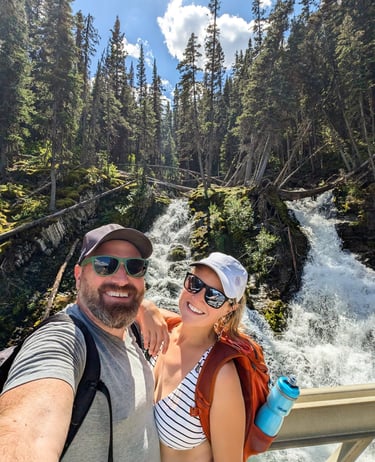
From the far end of the lake, the trail to Turret Falls begins. This “hike” is more of a scenic walk — short, approachable, and easy to add on without committing to a full day.
That accessibility is a recurring theme in Peter Lougheed: you don’t have to plan your entire day around one objective. You can mix and match, adjust for weather, and let the day unfold naturally.
Blackshale Suspension Bridge
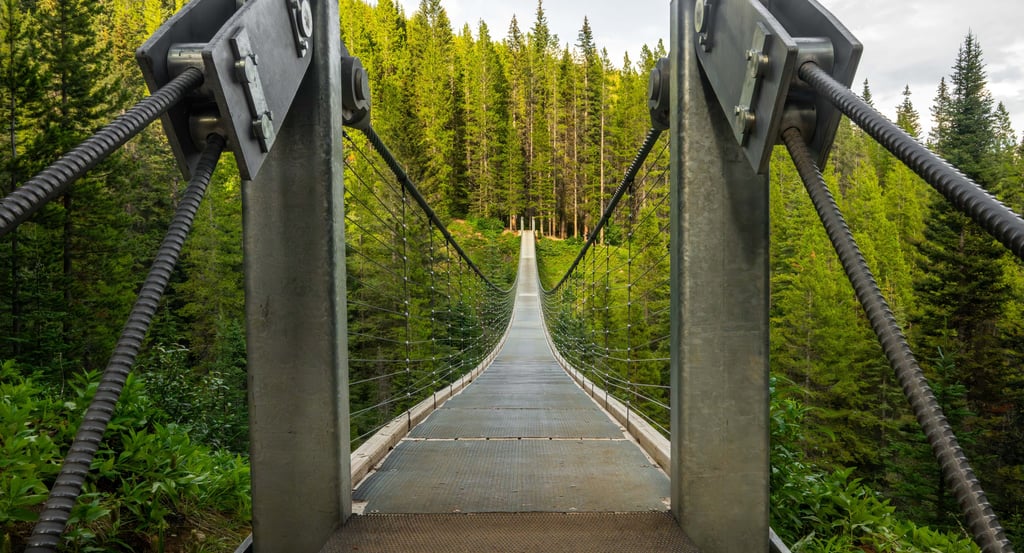
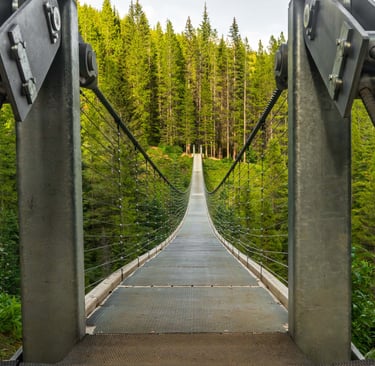
Another highlight of the park is the Blackshale Suspension Bridge.
Unlike many Instagram-famous landmarks, this bridge wasn’t built to be flashy. It was designed for efficiency — giving hikers and bikers a safer, more direct way to cross the creek
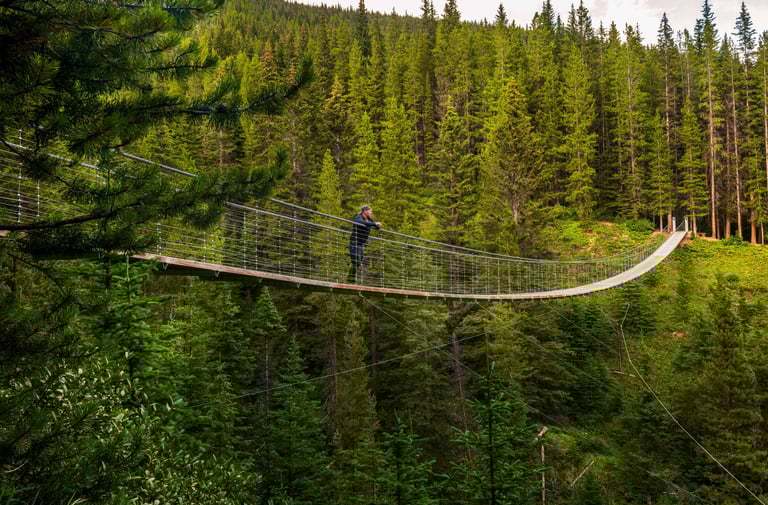
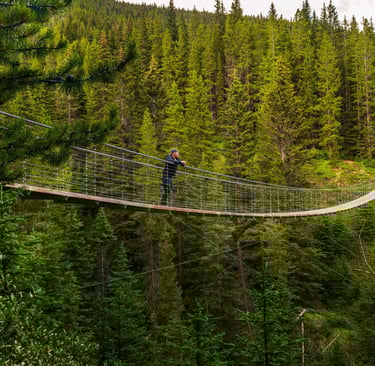
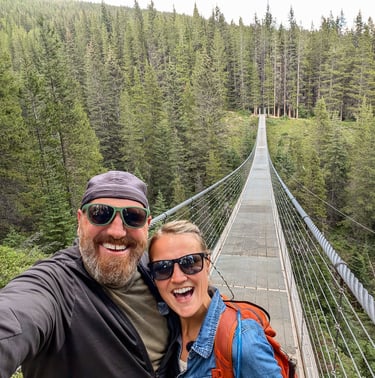
Completed in 2017, the bridge spans roughly 73 meters (about 240 feet) across the valley. It sways just enough to remind you you’re on a suspension bridge, offering a unique perspective of the landscape below without requiring a long or difficult hike.